
• Skip to primary navigation
  • Skip to main content
  • Skip to primary sidebar

GRASAC logo

  • About
    • GRASAC’s Database
    • Where We Have Researched
    • Funding
    • About This Website
  • People
    • GRASAC’s Steering Commitee
    • Research Assistants
    • Profile Articles
  • Exhibits
  • Research
    • Research in Action
    • Publications
  • Learn
    • Great Lakes Treaty Timeline
    • Great Lakes Communities Map
    • Indian Residential Schools
      • Access Support
      • Provide Support
  • News
    • GRASAC News
    • Newsletter
      • Newsletter Stories
  • GKS
  • Contact

Scriptural Relations: Colonial Formations of Anishinaabemowin Bibles in Nineteenth-Century Canada

June 1, 2021 by chass_wp-admin

by Roxanne L. Korpan
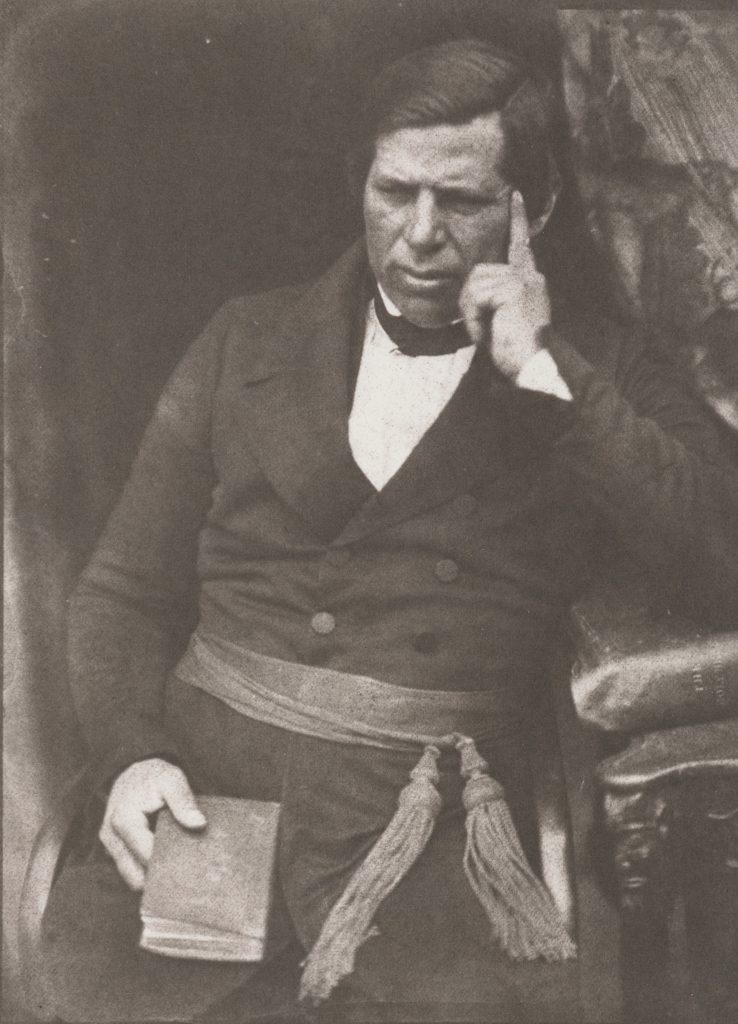
Black and white portrait photo of Peter Jones.
“Rev. Peter Jones or Kahkewaquonaby, 1802 – 1856. Indian chief and missionary in Canada,” David Octavius Hill and Robert Adamson (1843-1847), commissioned and printed by Michael and Barbara Grey, National Galleries of Scotland, PGP HA 2337.

In 1829 Anishinaabe chief and Methodist minister Kahkewaquonaby, or Peter Jones, published his first translation of the Christian bible into Anishinaabemowin (Ojibwe), an edition of the first seven chapters of the Gospel of Matthew printed in Toronto by the colonial government in Canada. This publication was soon followed by Anishinaabemowin translations of other Christian scriptures including the Gospel of John published by the British and Foreign Bible Society in London, England (1831) and Genesis published by the Toronto Auxiliary Bible Society in Toronto (1835). Despite deep imbrications in Indigenous, religious, political, and print histories of the country—and by contrast to vibrant scholarship produced on Indigenous-language bibles published in the United States—scholars have paid relatively little critical attention to Indigenous-language bible translation in colonial Canada. This article examines the materiality of Jones’s bible translations to argue that Indigenous-language bible translations mediated a range of relations between and among Indigenous peoples, missionaries, and colonial agents. In so doing, this paper shows how books can serve as useful archival objects to construct histories of religion and colonialism in North America, and how Indigenous-language bibles can reveal Indigenous sovereignty and self-determination.

If you have questions or have difficulty accessing the article you can contact the author here: roxanne.korpan@mail.utoronto.ca

Read the article here

Filed Under: Newsletter Stories Tagged With: Anishinaabemowin, Peter Jones, Roxanne Korpan

Previous Post: « To Honour and Respect: Gifts from Michi Saagiig Women to the Prince of Wales, 1860
Next Post: Provide Support »

Primary Sidebar

Recent Posts

  • Passing the Torch for GRASAC’s Communications
  • GRASAC Connects with the Baraga Collection at the Slovene Ethnographic Museum in Ljubljana, Slovenia
  • Wampum, Partnership, and the Bank of Canada Museum
  • To Honour and Respect receives Michael M Ames Award for Innovation in Museum Anthropology
  • From the GKS: A Mokuk made by Bamewawagezhikaquay or Jane Susan Ann Schoolcraft