
• Skip to primary navigation
  • Skip to main content
  • Skip to primary sidebar

GRASAC logo

  • About
    • GRASAC’s Database
    • Where We Have Researched
    • Funding
    • About This Website
  • People
    • GRASAC’s Steering Commitee
    • Research Assistants
    • Profile Articles
  • Exhibits
  • Research
    • Research in Action
    • Publications
  • Learn
    • Great Lakes Treaty Timeline
    • Great Lakes Communities Map
    • Indian Residential Schools
      • Access Support
      • Provide Support
  • News
    • GRASAC News
    • Newsletter
      • Newsletter Stories
  • GKS
  • Contact

Former GRASAC RA’s Research Questions the Provenance of the Vatican’s Indigenous Collection

April 1, 2022 by chass_wp-admin

from CBC News

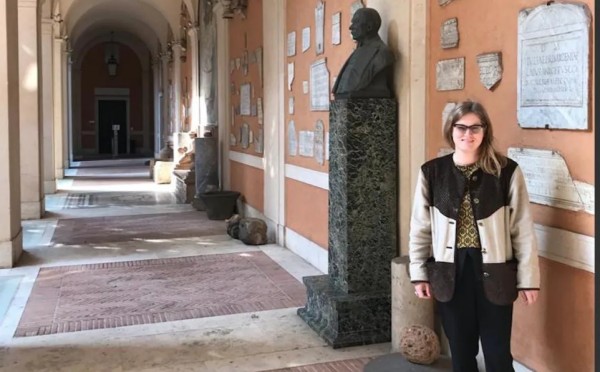
Image from CBC News

Gloria Bell, an assistant professor of art history at McGill University, has been researching the Vatican’s collection of Indigenous cultural belongings and artwork for nearly a decade. She is challenging the Vatican’s official account of how it acquired tens of thousands of Indigenous artifacts from countries around the world — including Canada. The Vatican claims the artifacts were sent as gifts to the Pope. Bell’s research suggests that assertion glosses over a contested history of Indigenous people working under duress to create these items — along with evidence that some of those cultural belongings may have been stolen from communities.
 

Read More Here

Filed Under: Newsletter Stories Tagged With: Gloria Bell

Previous Post: « Brief History of the Gayogo̱hó:nǫʔ People in the Cayuga Lake Region Published
Next Post: “Great Lakes Diplomacy through Cultural Heritage” – Upcoming GRASAC Panel at the Cultures of Indigenous Diplomacy Conference »

Primary Sidebar

Recent Posts

  • Honouring Professor John Borrows: GRASAC Member Recognized for Human Rights Leadership
  • Research in Progress: GRASAC Members Lead Workshop Revisiting 1858 Indigenous Diplomatic Council
  • Passing the Torch for GRASAC’s Communications
  • GRASAC Connects with the Baraga Collection at the Slovene Ethnographic Museum in Ljubljana, Slovenia
  • Wampum, Partnership, and the Bank of Canada Museum