Cornell University, Ganondagan, and the Seneca-Iroquois National Museum
Translating Onöndowa’ga:’ Archaeology into Stories: the Townley-Read and White Springs Sites
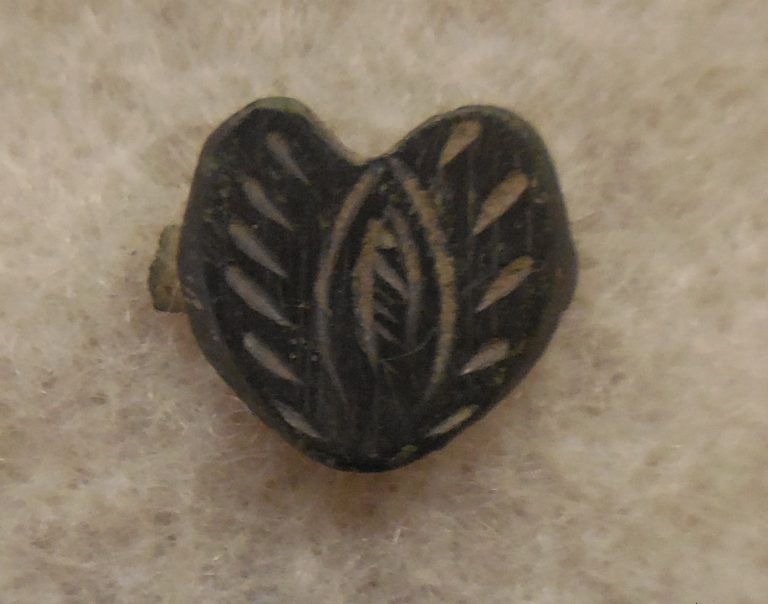
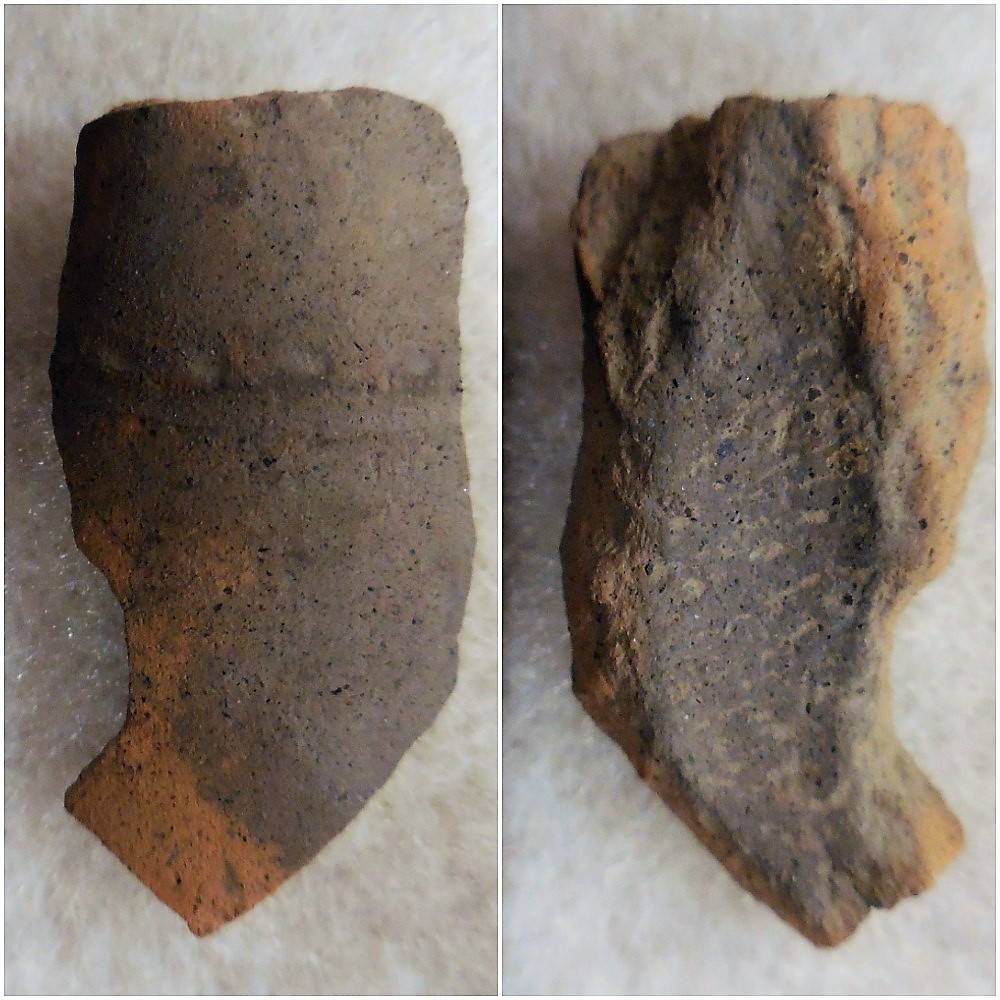
The goal of this project is to digitize and introduce archaeologically-recovered materials from two late 17th and early 18th century Seneca (Onöndowa’ga:’) Haudenosaunee (Six Nations Iroquois) sites located near Geneva, New York into an online platform that will be meaningful for descendant communities as well as researchers in Anthropology, History, and Indigenous Studies. It will provide information on archaeological materials from a poorly-understood era to researchers, serve as a resource for education on the indigenous history, and most importantly provide a means for descendant communities to access and explore their heritage.
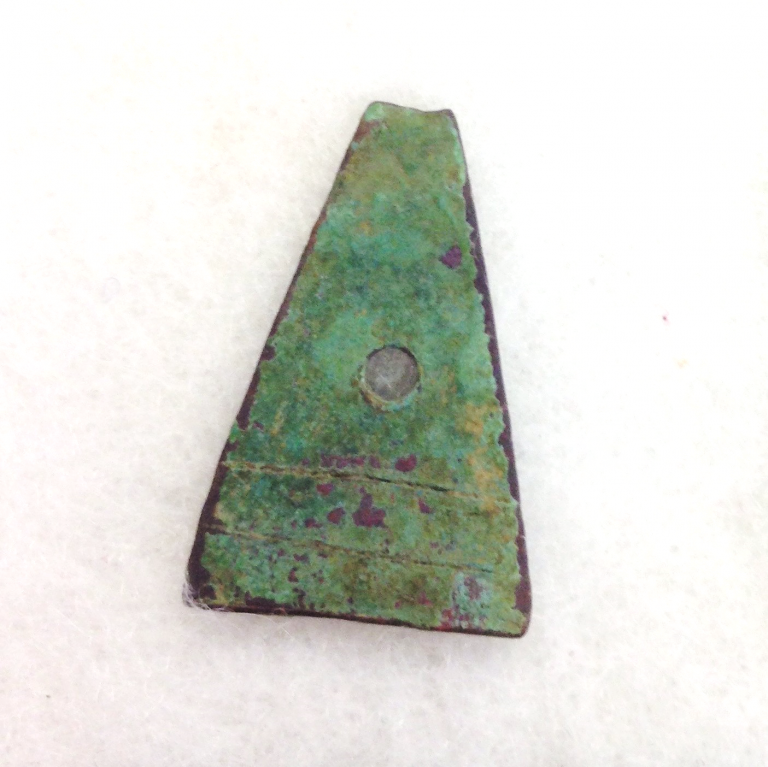
The end-product from this project, following GRASAC’s existing models, is to be multivocal and will incorporate both mainstream scholarly and community-based perspectives (including indigenous language terms).
To determine the best organization and presentation of artifacts, a workshop was held with Seneca community partners at the Seneca Art and Culture Center at Ganondagan State Historic Site in August 2017. Funding for this workshop, and for additional meetings as the project progresses, has been provided by Cornell University’s American Indian and Indigenous Studies Program and the Cornell Institute of Archaeology and Material Studies. Currently, the project is in the beginning stages of digitizing artifacts and creating a public website in collaboration with the Cornell Library, with funding provided by the Library’s Grant Program for Digital Collections in Arts and Sciences.
The data, images, and information organized through the Cornell Digital Collections project will be articulated with the GRASAC Knowledge Sharing System in the future.
Team Members:
- Team Leads: Dr Kurt A. Jordan and Dusti Bridges, Department of Anthropology, Cornell University, Ithaca, New York.
- Members of the Digital Consulting and Production Services team at the Cornell University Library (DCAPS): Dianne Dietrich (Coordinator), Rhea Garen, Simon Ingall, Jasmine Burns, Jenn Colt, Melissa K. Wallace, Agata Okulicz-Kozaryn, and Tre Berney.
- Participants in our 2017 workshop at Ganondagan: Seneca cultural leader Peter Jemison, Christine Abrams (Chair of the Haudenosaunee Standing Committee on Burial Rules and Regulations), Seneca-Iroquois National Museum Director David George-Shongo, and historian and replica material culture manufacturer Mike Galban.